
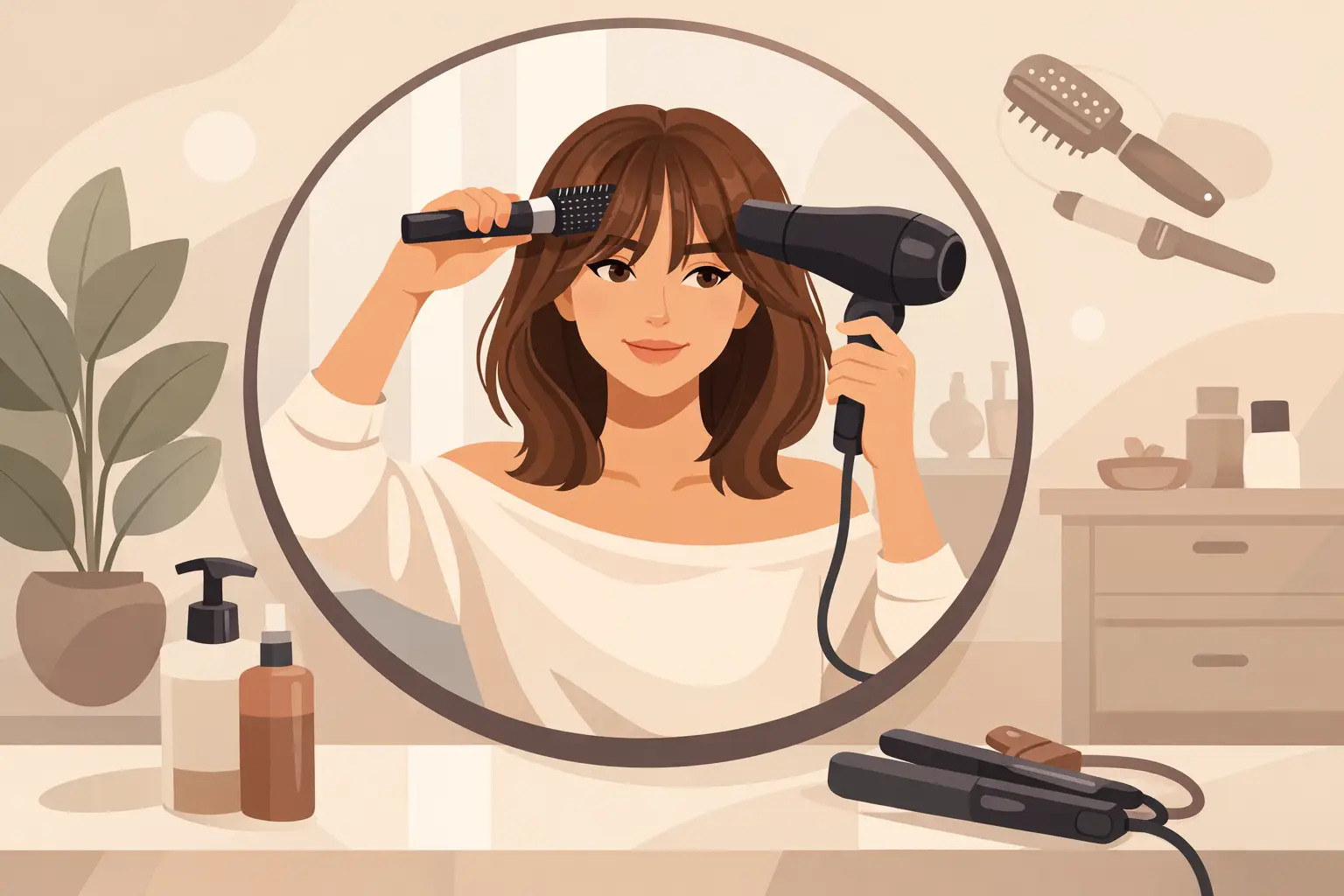
Curtain bangs can make a haircut feel instantly more polished, but they are also the section most likely to receive daily heat, brushing, and product buildup. To style curtain bangs safely, treat them as delicate face-framing hair rather than a small area to rush through. The goal is soft movement, lifted roots, and a clean center part – not maximum heat or a stiff, overworked curl.
With a thoughtful routine and a high-performance styling tool, this look is remarkably easy to maintain at home. A few small adjustments in heat, direction, and timing can protect shine while delivering the relaxed, salon-worthy finish that makes curtain bangs so appealing.
Start With the Right Foundation
The best curtain-bang style begins before the tool is switched on. Bangs absorb oil, skincare, and humidity faster than the rest of your hair, which can make them separate or lose volume by midday. If your lengths are still fresh but your fringe is not, refresh only the front section instead of washing and drying your entire head.
Use a lightweight shampoo when needed, then keep conditioner away from the roots of the fringe. Conditioning the ends is fine, especially if they are dry or color-treated, but heavy formulas at the scalp can flatten the airy shape you want. After washing, press hair dry with a soft towel rather than rubbing it. Friction can roughen the cuticle and encourage frizz around the face.
Apply a small amount of heat protectant through damp bangs before blow-drying. Coverage matters more than quantity. Too much product can turn a soft, bouncy fringe into a piecey, weighted one, while too little leaves the hair exposed to repeated heat. Comb through gently so the protectant is evenly distributed.
How to Style Curtain Bangs Safely With Heat
The safest styling choice depends on your hair texture, condition, and how often you heat-style. Fine, highlighted, or fragile hair usually benefits from lower heat and less repetition. Dense or resistant hair may need a little more warmth, but it still should not require multiple slow passes over the same section.
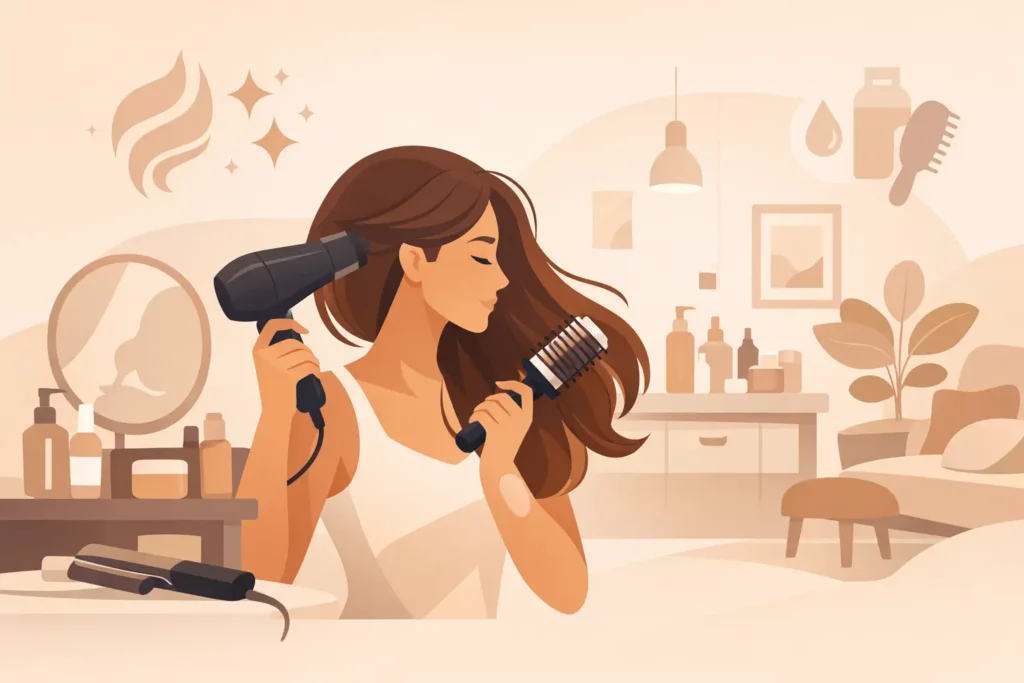
Begin with bangs that are about 80 to 90 percent dry. Styling soaking-wet hair with high heat takes longer and can put unnecessary stress on the strand. If you are using a hair dryer, direct airflow downward from the roots to smooth the cuticle. Keep the nozzle moving and avoid holding it close to one spot on your forehead.
Part the fringe down the middle, following its natural placement. Then take one side at a time with a small round brush or a smoothing brush attachment. Lift at the root and guide the hair away from the face, curving it gently toward the cheekbone. Do not wrap the whole section tightly around the barrel. Curtain bangs should look like they naturally fall open, not like two fixed ringlets.
Once the section has taken shape, use a cool shot if your dryer offers one. Cooling helps the hair set in its new direction, which means you can rely less on higher heat and excessive product. Repeat on the opposite side, checking that both sides sit at a similar angle rather than forcing them into perfect symmetry. Your natural growth pattern will always have some say in the finished result.
Choose a Tool That Gives You Control
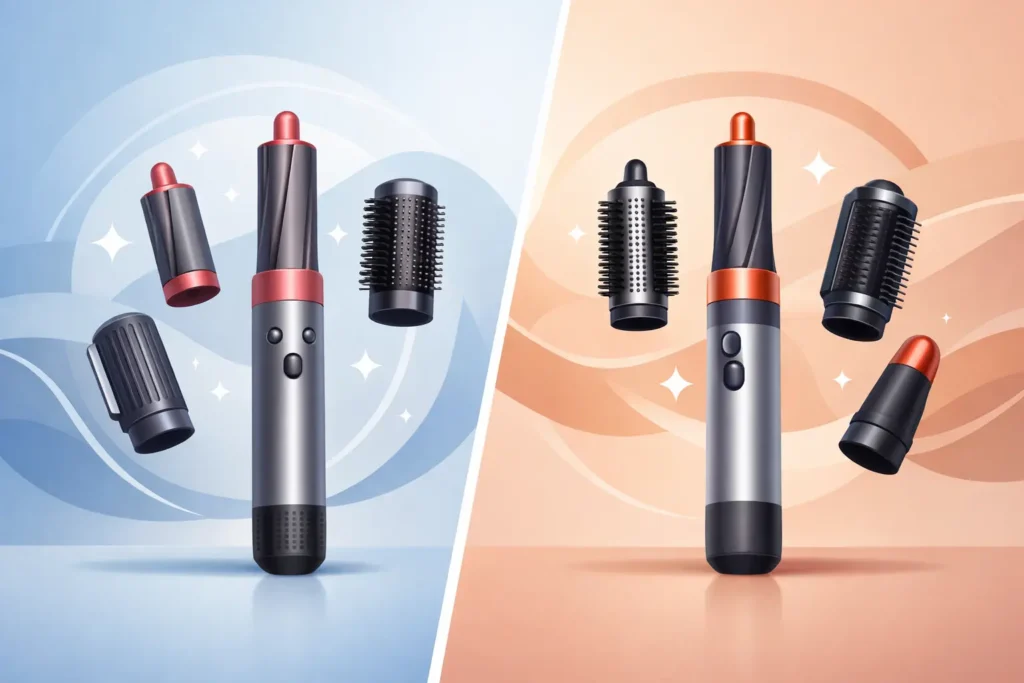
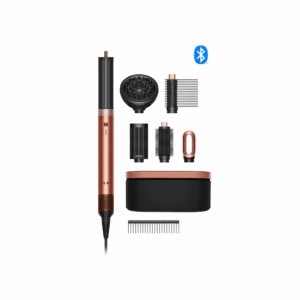
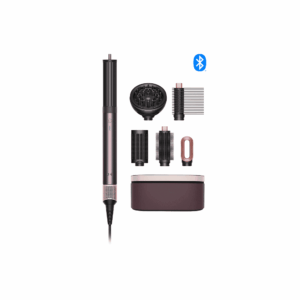
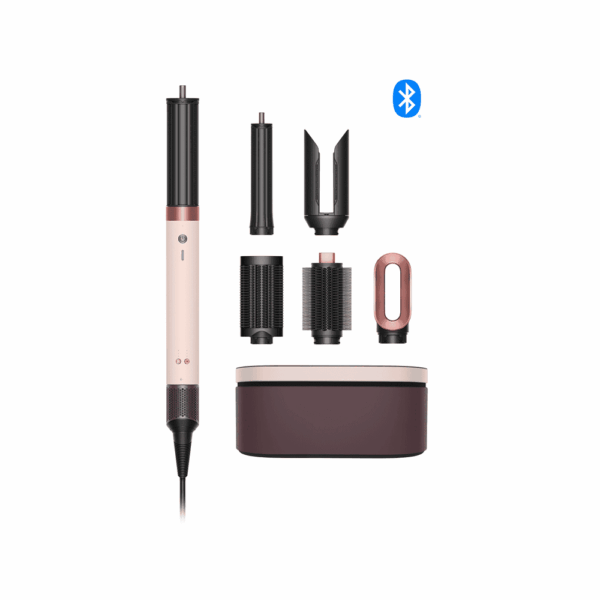
A premium dryer or multi-styler can make a visible difference because it offers more control over airflow, temperature, and attachments. For curtain bangs, control is luxury. You want the ability to dry quickly without blasting the fringe into a flat, tangled shape.
A smaller round brush attachment creates a more pronounced bend and works well for shorter or finer bangs. A larger barrel gives a looser, brushed-out curve for longer curtain bangs. If your hair is naturally straight and smooth, a smoothing attachment may be all you need to lift the roots and turn the ends away from the face.
The most expensive tool is not automatically the best setting for your hair. Use the lowest effective temperature, moderate airflow, and a brush size that matches the length of your fringe. The right combination protects the finish and helps preserve the softness that premium hair tools are designed to deliver.
If You Use a Flat Iron, Keep It Gentle
A flat iron can refine curtain bangs, especially when the ends look uneven after sleeping or when humidity has disrupted the shape. It is best reserved for dry hair and quick touch-ups, not as the main daily styling method.
Set the iron to a temperature appropriate for your hair type. Very fine, bleached, or compromised hair should stay at the low end. Work with narrow sections, use one controlled pass, and rotate the wrist slightly away from your face as you glide down. This creates a subtle sweep instead of the sharp bend that can make bangs look dated or overly styled.
Never clamp down at the root and pause. That is where accidental heat marks and breakage tend to happen. Keep the iron moving, and let the hair cool before touching it. If the result looks too curled, brush it out with a clean, soft-bristle brush rather than adding more heat.
Make the Style Last Without Overloading It
Freshly styled curtain bangs often look perfect for the first hour, then begin to fall apart after makeup, wind, or a little humidity. The answer is not a heavy coat of hairspray. Dense sprays can make the fringe look lacquered and can create buildup that forces more frequent washing.
Instead, use a light root-lifting mist before drying if you need volume, or finish with a small amount of flexible-hold spray applied from a distance. For textured hair, a tiny amount of lightweight cream on the ends can keep the shape soft. Keep oils and rich serums away from the fringe during the day. They are beautiful on mid-lengths and ends but tend to make bangs separate quickly.
At night, clip the bangs loosely back with a soft, crease-free clip or wrap them in a large roller for a gentle next-morning lift. This simple habit can reduce how often you reach for heat. If your bangs need a reset in the morning, lightly mist them with water and restyle for a minute or two instead of running a hot tool over yesterday’s product.
Common Mistakes That Compromise the Finish
The most common issue is directing both sides forward and trying to force the part afterward. Dry each side away from the face from the start. This trains the hair to open naturally and keeps the center from splitting too wide.
Another mistake is using a brush that is too large for short bangs. A very large barrel can smooth the hair but may not create enough root lift. Conversely, a barrel that is too small can leave the ends too curled. Your ideal brush should create a soft arc that blends into the layers around your face.
Finally, avoid chasing perfection. Curtain bangs are meant to move. A small difference between sides, a little texture at the ends, and a relaxed curve are what make them look expensive rather than overly engineered.
When to Step Back From Heat
If your bangs feel rough, snap easily, or look dull no matter how carefully you style them, give them a break from hot tools. Focus on gentle cleansing, conditioning through the ends, and air-drying with clips or rollers to guide the shape. A trim may also be the answer, since curtain bangs need regular maintenance to retain their easy sweep.
For day-to-day styling, the best routine is the one that gives you a beautiful result with the least amount of heat and effort. A few intentional minutes in front of the mirror can keep your curtain bangs soft, lifted, and ready for wherever the day takes you.