
A short cut can look freshly shaped at 8 a.m. and oddly flat by noon – unless your routine is built for it. Short hair styling is less about using more product and more about directing the hair while it is still slightly damp, then choosing a finish that suits your cut. A precise bob, cropped pixie, soft shag, and jaw-length lob all respond differently to heat, airflow, and texture.
The advantage is speed. With the right tools and a few intentional techniques, salon-worthy hair can take minutes rather than a full styling session. The trade-off is that short lengths leave little room to hide uneven sections, bent ends, or product buildup. A considered routine makes all the difference.
Start With the Shape You Actually Have
Before choosing a styling method, look at the architecture of your cut. If your hair is blunt and one length, you may want a sleek finish, a soft bend, or lift at the roots to prevent it from appearing heavy. Layered short hair usually benefits from definition through the ends, while a pixie often needs direction at the crown and around the face.
Your natural texture matters just as much. Fine hair can fall flat when it is over-conditioned or styled with rich creams. Thick hair may expand at the sides without controlled airflow and a smoothing product. Wavy hair can look beautifully effortless with diffusing, but only if you avoid brushing out the pattern once it begins to set.
This is why copying a style from a photo does not always work. The goal is not to force every haircut into the same finish. It is to make the cut you have look intentional, polished, and easy to wear.
Short Hair Styling Begins Before the Dryer
Great results begin with clean hair and sensible product placement. Short hair picks up oil and styling residue quickly, so use lightweight formulas and concentrate them where they earn their place. Apply heat protectant through the mid-lengths and ends, then add a small amount of mousse or root-lifting spray near the scalp if you want volume.
Avoid applying heavy oils or thick creams at the roots. They can make freshly washed hair look separated or limp, particularly on bobs and fine pixie cuts. If your ends are dry, warm a tiny amount of smoothing cream between your hands and press it only onto the areas that need it.
Towel-dry with care rather than rubbing aggressively. Short hair can dry quickly, and that is useful only when it is drying in the direction you want. Make your part early. If you prefer a side sweep or a lifted fringe, guide it into place while damp instead of attempting to correct it after it has dried.
Use Airflow to Set the Direction
A high-performance dryer is one of the most useful investments for short hair because airflow determines the shape of the style. Begin by rough-drying to around 70 to 80 percent dry, moving the air from roots to ends. This smooths the cuticle and reduces the fuzzy finish that can make a sharp cut look less refined.
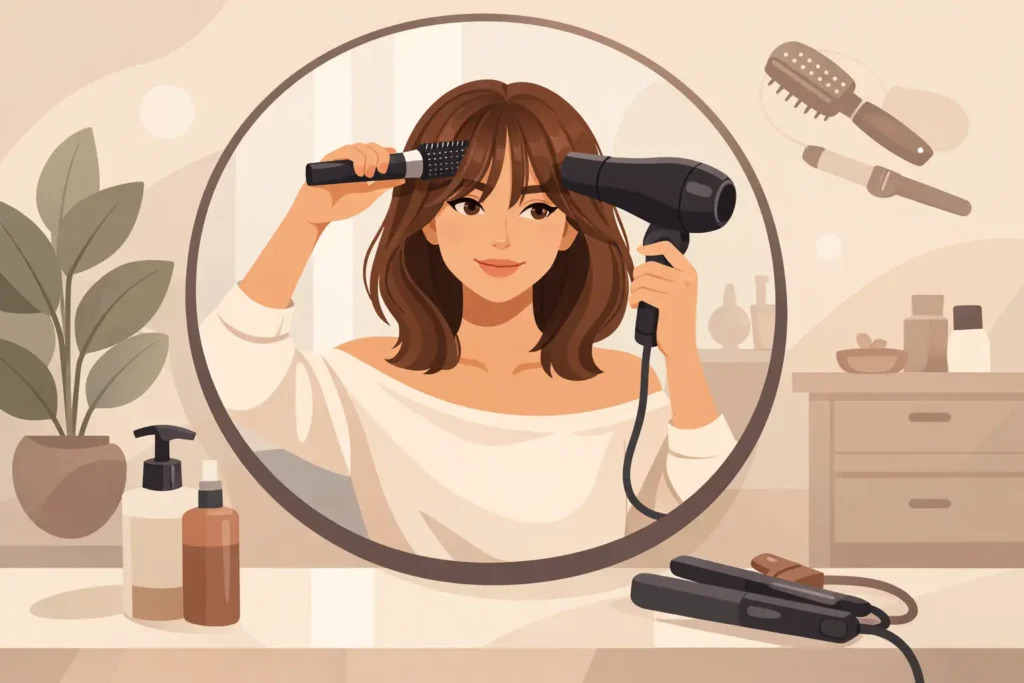
For volume, lift sections at the root with your fingers while drying. Point the airflow upward for a moment, then finish by directing it down the hair shaft. This creates height without leaving the surface disheveled. For a smooth bob, use a concentrator and work in small sections with a compact round brush or a paddle brush, depending on how much curve you want.
A cool shot is not an unnecessary final step. It helps set the shape after heat styling and can make a noticeable difference in shine. On short hair, where every section is visible, that extra control feels especially worthwhile.
Choose One Finish, Not Every Finish
The easiest way to over-style short hair is to chase volume, shine, texture, and hold all at once. Choose the primary result you want for the day, then use products that support it.
For a sleek, tailored look, dry the hair with the nozzle pointing downward and refine the ends with a straightener or smoothing attachment. A little shine serum on the ends adds polish, but use a minimal amount. The finish should look touchable rather than lacquered.
For soft movement, bend alternating sections away from and toward the face with a slim barrel or styling tool. Leave the very ends straighter for a modern result. This is particularly flattering on a bob or lob because it creates shape without turning the hair into formal curls.
For a textured pixie or shag, work a pea-sized amount of styling paste or texture cream between your palms, then pinch and separate the ends. Keep the product off the scalp whenever possible. Texture should make the haircut look lived-in and dimensional, not sticky.
If your cut includes bangs, style them first. They are usually the first section to dry and the most likely to develop an unwanted bend. Use low to medium heat, direct them side to side briefly to relax the root, then guide them into their final position.
When a Straightener Makes Sense
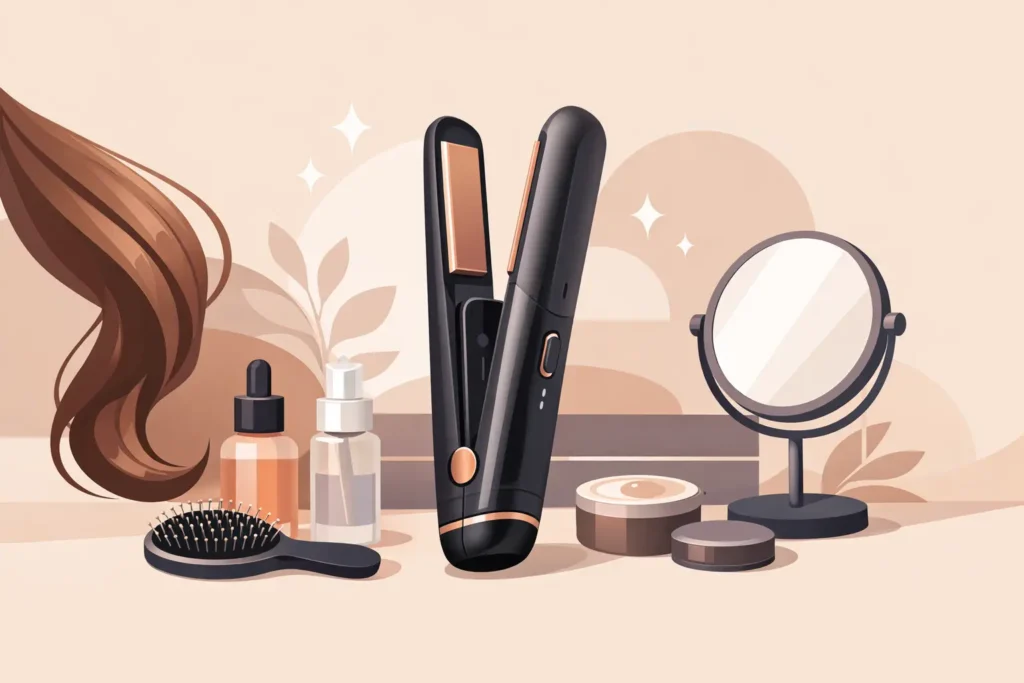
A straightener is not only for pin-straight results. On short hair, it is one of the quickest ways to add a subtle bend at the ends, create a polished tuck behind the ear, or smooth a cowlick near the front. The key is to use small sections and avoid clamping too hard.
Use moderate heat whenever your hair allows it. Fine, color-treated, or already dry hair does not need the highest setting to respond. One controlled pass is kinder to the hair than several hurried passes at high heat. If you notice that the ends are becoming stiff or frayed, reduce the temperature and revisit your product routine before adding more heat.
Solve the Short-Hair Problems That Show Up Midday
Short styles often lose their shape for predictable reasons: roots become oily, humidity swells the hair, or the back of the cut flattens against a collar or headrest. A few small corrections are usually enough.
Dry shampoo can refresh the roots, but do not rely on it as a styling product every day. Apply it in short bursts, let it sit briefly, then massage or brush it through. For flattened crown volume, tip your head forward and use a dryer on low airflow for 20 to 30 seconds, lifting with your fingertips.
Humidity calls for restraint. If your hair is prone to frizz, use a lightweight anti-humidity finishing product after styling rather than layering more cream throughout the day. If your hair tends to lose volume in humidity, focus on root lift and a light-hold spray instead. The right solution depends on whether your hair expands or collapses when the weather changes.
For a quick evening refresh, redefine only the visible areas: the part, fringe, face-framing pieces, and ends. A full restyle is rarely necessary. A small amount of heat and a clean finishing touch can take a daytime look to dinner without adding buildup.
Give Premium Tools a Clear Role
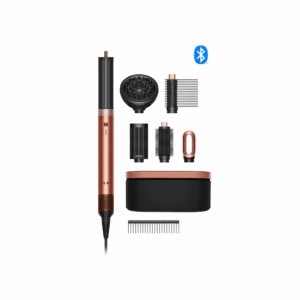
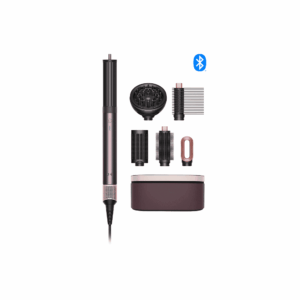
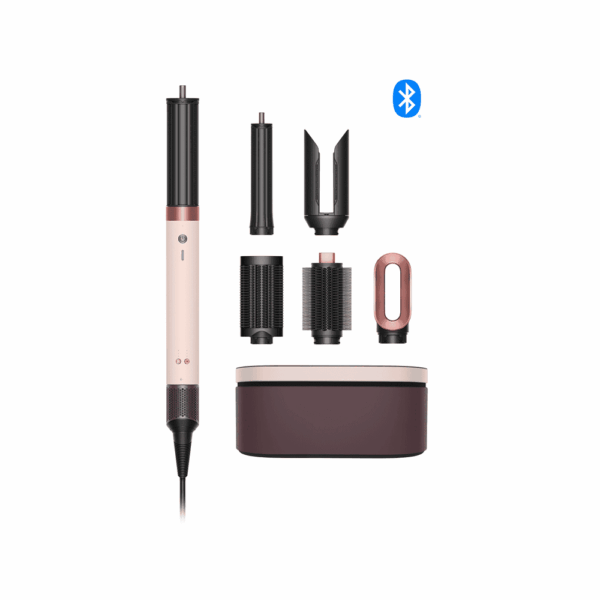
Luxury hair technology earns its place when it makes the daily routine faster, more controlled, and less punishing on the hair. For short cuts, that often means intelligent heat settings, precise airflow attachments, and styling barrels or plates that can work close to the root without feeling clumsy.
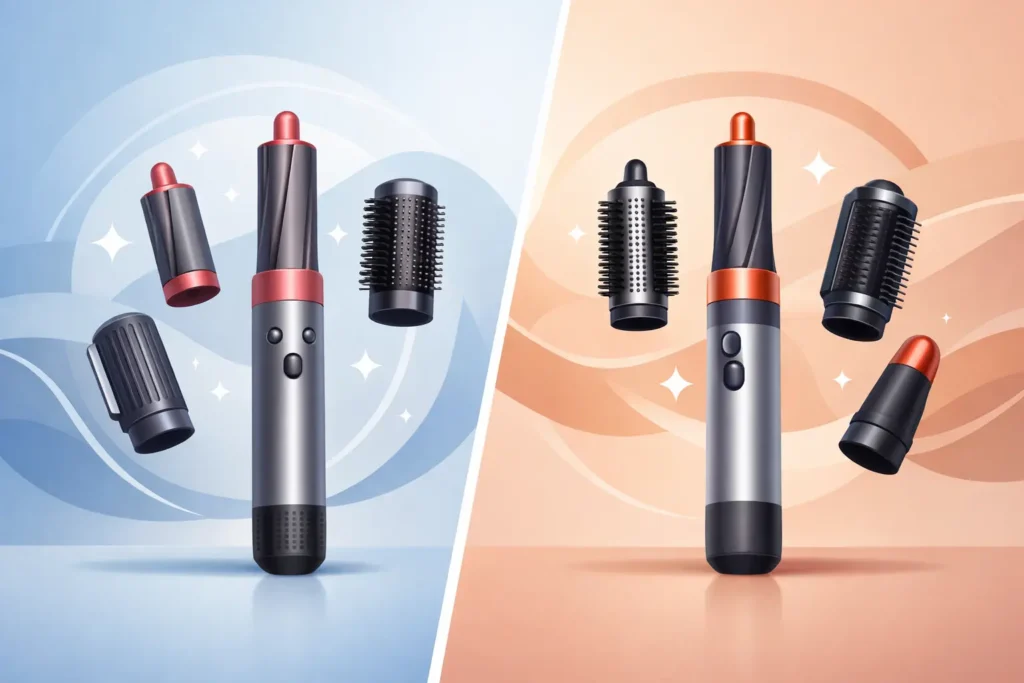
A versatile styler can be especially practical if you alternate between sleek, curved, and textured looks. Rather than filling a drawer with single-purpose tools, choose a few high-quality essentials that fit your cut and styling habits. At Briellion, premium hair care technology is chosen for exactly that kind of at-home performance: elevated results with the convenience of a routine you will actually keep.
The best short-hair routine should feel repeatable, not precious. Learn how your hair responds to airflow, use heat with intention, and let your cut do the work it was designed to do. When the shape is right, a few focused minutes can make every day feel like a good hair day.