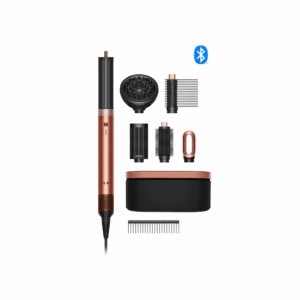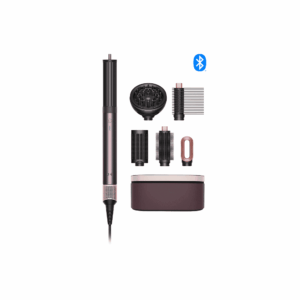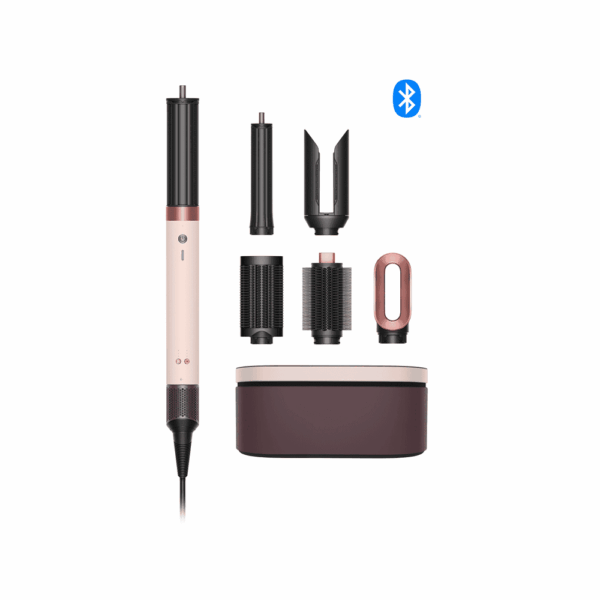

If your hair looks puffier than polished after straightening, technique is usually the issue – not the tool. Knowing how to use Dyson Airstrait properly makes the difference between a sleek finish that lasts and a style that falls flat by lunch.
The Dyson Airstrait is not a standard flat iron, and treating it like one is the fastest way to get underwhelming results. It uses high-pressure airflow to dry and straighten hair at the same time, which changes the order of your routine, the amount of moisture your hair needs, and even how large your sections should be. Once you adjust to that, it starts to feel fast, intuitive, and impressively salon-like.
How to use Dyson Airstrait for the best results
Start with freshly washed, towel-dried hair. The Airstrait is designed to work from wet to dry, so you do not need to rough-dry first unless your hair is extremely thick and holds a lot of water. Hair should feel damp, not dripping. If it is too wet, styling will take longer and your finish may not look as smooth.
Before anything else, detangle thoroughly. This matters more than many people expect. The airflow needs to move evenly through the hair, and knots interrupt that. Apply your preferred heat protectant if you use one, then divide your hair into sections. Four sections work for most people, but very dense hair often needs six or more.
Choose the wet mode first. For most straightening sessions, that is where you will do the real work. Clamp a small section near the roots and glide slowly downward, following the natural fall of the hair. Keep light tension, but do not squeeze aggressively. The Airstrait performs best when the section is controlled and smooth rather than tightly pressed.
Small sections are the secret. If you try to rush with large pieces of hair, the outside may look polished while the inside stays damp or frizzy. A section about 1 to 2 inches wide is usually the sweet spot. Fine hair can sometimes handle slightly larger sections, while coarse or curly hair often needs smaller ones.
After the hair is dry and mostly straight, switch to dry mode if you want extra polish. This second pass is what gives many people that cleaner, glossier finish. Think of wet mode as shaping the hair and dry mode as refining it.
What settings should you use?
This depends on your hair type, and that is where many first-time users overcomplicate things. The best setting is the one that gets your hair smooth in the fewest passes without overdrying it.
For fine or fragile hair, lower heat settings are usually enough. Hair that straightens easily does not need the highest level, and using more heat than necessary can make the ends look dry. Medium textures tend to do well in the middle range, especially when the hair is evenly damp and sectioned properly. Thick, coarse, or very curly hair may need higher heat and slower passes, particularly near the roots.
Airflow matters too. Higher airflow can speed things up, but some users prefer a slightly lower airflow during finishing because it gives them more control. If your hair tends to frizz, experiment with a slower, more deliberate pass before assuming you need more heat.
The lock feature is useful when you want to rough-dry at the roots before straightening. This can help if your crown stays wet longer than the mid-lengths and ends. It is not necessary for everyone, but for thicker hair it can make the overall process smoother.
The technique that changes the finish
If you want that expensive-looking, glassy result, focus on angle and pace. Keep the tool aligned with the hair shaft and move steadily. Jerky movements create uneven drying, and stopping mid-section can leave bends.
It also helps to start close to the root without pressing into the scalp. Lift the section slightly away from the head, especially around the crown, so the airflow can move through evenly. For face-framing pieces, direct the tool with intention. If you pull everything pin-straight downward, the result may feel flat. A slight curve at the ends looks softer and more natural.
For the ends, slow down. This is where people often rush, and it shows. The ends are drier, older, and more likely to fray visually. A careful final glide can make the whole style look more expensive.
Common mistakes when learning how to use Dyson Airstrait
The first mistake is using hair that is too wet. If water is still dripping or the roots are saturated, you will spend too long on each section and may get inconsistent results.
The second is taking sections that are too large. This is the most common reason people think the tool is not working well enough. The Airstrait is efficient, but it still needs airflow to reach all of the hair in the section.
The third is moving too quickly. Because this tool dries and straightens at once, your glide speed matters. Go slow enough that the section dries fully in one controlled pass or two, not five rushed ones.
Another issue is expecting the exact finish of a traditional high-heat flat iron. The Dyson Airstrait is designed to create a straighter, smoother look with airflow and lower heat exposure. For many users, that means softer movement and less scorched stiffness. If you want pin-flat styling, you may still prefer an extra finishing pass in dry mode or a styling product to lock in the look.
How to use Dyson Airstrait on different hair types
Straight and wavy hair is usually the easiest place to start. Use medium or low heat, keep your sections neat, and do not overwork the lengths. You are mainly refining texture and reducing frizz.
Curly hair takes a bit more patience, but the payoff is often impressive. Work in smaller sections, begin close to the roots, and keep tension consistent. You may need an extra pass in dry mode, especially around the hairline and crown where texture can be stronger.
Coily or very dense hair can absolutely work with the Airstrait, but expectations should be realistic. Prep matters more here. Thorough detangling, clean sectioning, and controlled dampness make a major difference. Some users prefer to stretch the roots first with the lock feature before going in section by section. The finish can be smooth and sleek, though it may not replicate the ultra-flat effect of a conventional straightener on every hair pattern.
If your hair is damaged or color-treated, stay conservative with heat and avoid repeated passes. The appeal of the Airstrait is that it can reduce reliance on extreme hot plates, but technique still matters.
How long does it take?
On fine to medium hair, a full wet-to-dry straightening session can feel surprisingly quick once you know your sectioning pattern. Thick hair naturally takes longer, especially the first few times. That does not mean the tool is slow. It usually means the learning curve is still in play.
The first few uses are about rhythm. Once you know how damp your hair should be, which setting works best, and how small your sections need to be, timing improves fast.
How to make your style last longer
A good result starts before styling and lasts longer when you avoid adding moisture back too soon. If your bathroom gets steamy, let your hair cool fully before tying it up or heading into humidity.
Finishing products can help, but keep them light. Too much serum or cream can weigh the hair down and make a fresh style look greasy instead of glossy. If you want more hold, a light anti-frizz or smoothing product usually works better than anything heavy.
Sleeping on silk or satin can also help preserve the finish overnight. If your roots flatten while you sleep, a quick refresh in dry mode the next morning is usually enough.
Is the Dyson Airstrait easy to use?
Yes, but not in the way a basic straightener is easy. It asks you to unlearn a few habits. Once that clicks, the experience feels more refined, especially if you value a smoother routine with less dependence on extreme heat.
That is really the appeal. The Dyson Airstrait is for the person who wants premium results at home and wants the process to feel modern, not punishing. If that sounds like your routine, it is worth taking the extra few sessions to learn it properly.
Give yourself permission to adjust. Try smaller sections, change the heat, slow your pass down, and let your hair tell you what works. The best results rarely come from forcing the tool to behave like an old one.