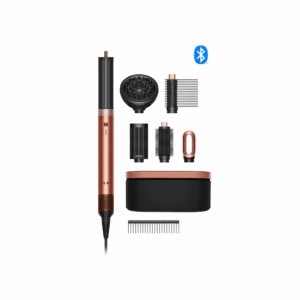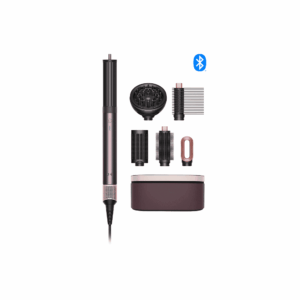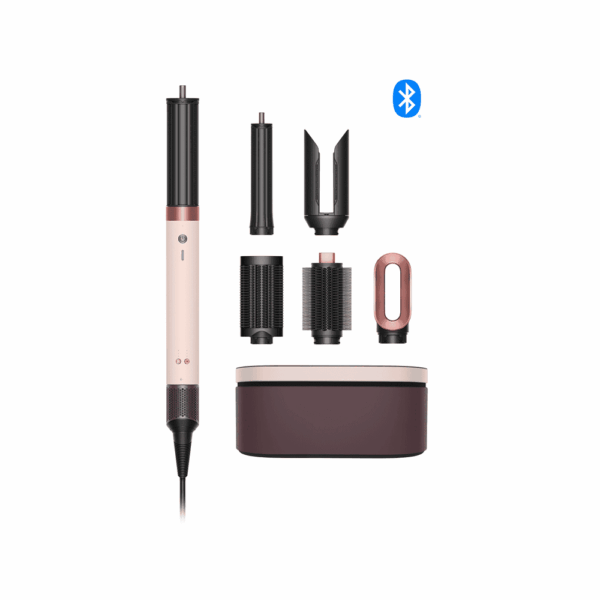

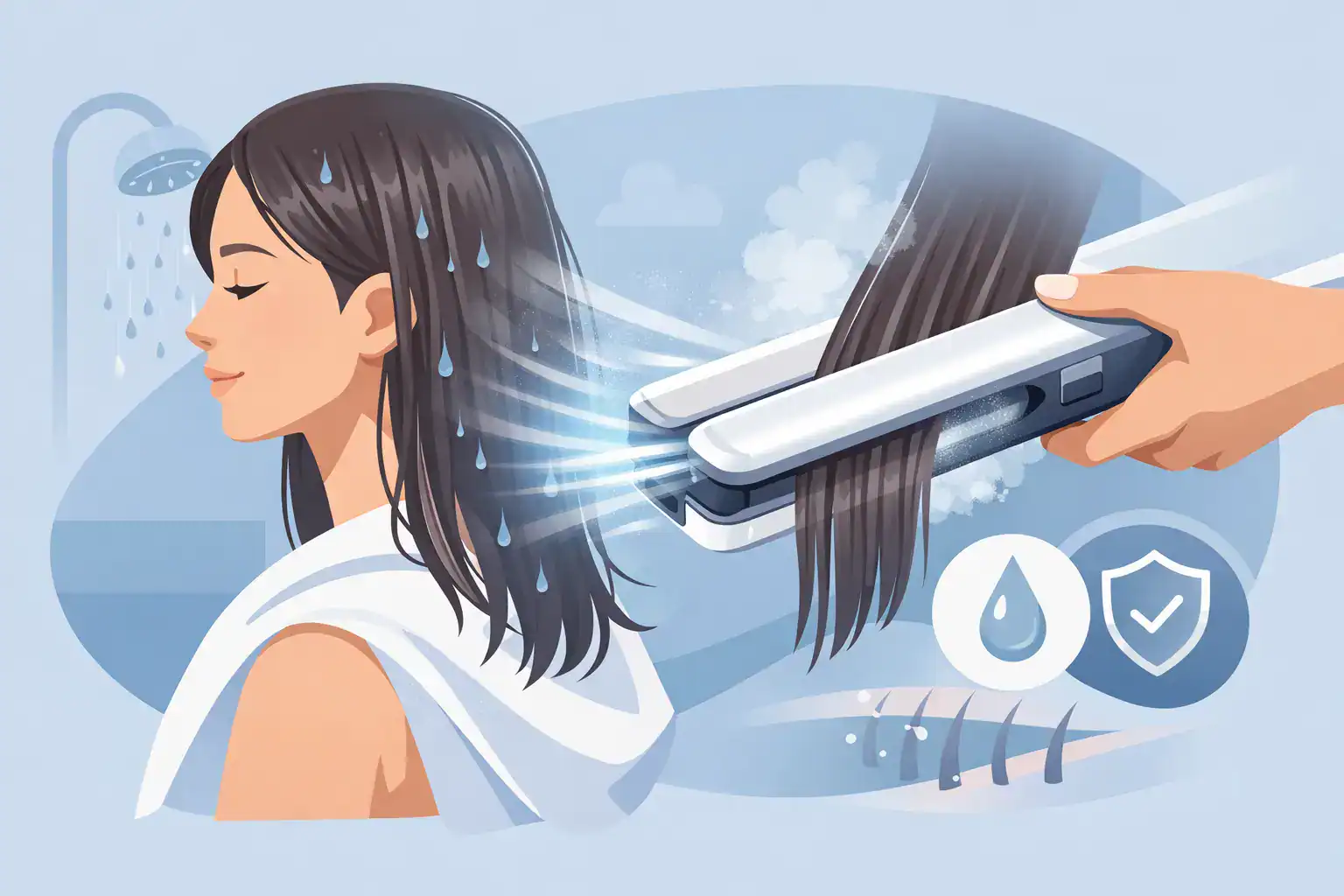
A rushed wash day usually presents the same choice: spend time blow-drying before straightening, or leave the house with hair that is still far from finished. Can Airstrait straighten wet hair? Yes – that is precisely what the Dyson Airstrait is designed to do. It takes hair from wet to smooth using high-velocity, directed airflow rather than relying on hot plates to press wet strands flat.
That difference matters. Traditional straighteners should never be used on wet hair because the extreme heat can cause water within the hair shaft to rapidly turn to steam. The Airstrait follows a different approach, combining controlled air with tension to dry and straighten in one routine. The result can be a sleek, naturally moving finish without the separate blow-dry step.
Can Airstrait straighten wet hair without damage?
The Airstrait is made for styling damp, towel-dried hair in Wet mode. It does not straighten hair by sandwiching it between heated plates. Instead, its arms direct airflow downward along each section, drying the hair while aligning it into a straighter shape.
That makes it a more considered option for people who regularly reach for both a dryer and a flat iron. By removing one high-heat styling stage, it can help simplify your routine and reduce the need for repeated heat exposure. It is not a no-heat tool, however. The airflow is warm, and your technique still affects the final result.
The key distinction is between wet and dripping wet. Hair should be freshly washed but thoroughly towel-dried first. If water is actively dripping from the ends, take another minute with an absorbent towel or microfiber wrap. Excess water slows the process, makes sections harder to control, and can leave the roots looking less polished.
How wet-to-dry straightening works
When the Airstrait is used in Wet mode, its airflow is engineered to dry hair as it passes through the tool. The air is directed from the root toward the ends, following the natural direction of the cuticle. This helps create a smoother surface and a finish with less of the stiff, pressed-flat look some people associate with a traditional straightener.
The tool also uses tension. As you glide slowly down a section, the hair is guided between the arms while the airflow does the drying work. Think of it as a concentrated blowout with a straighter finish, rather than a conventional flat-iron pass.
For most hair types, this is especially appealing on busy mornings or before an evening event. You can move from shower to styled hair without balancing a dryer in one hand and a brush in the other. The Airstrait is also useful for anyone who finds that blow-drying first only to straighten afterward adds too much time to their routine.
What results should you expect?
On naturally straight, wavy, or lightly textured hair, the finish is often smooth, sleek, and full of movement. It can preserve more root lift than plate straightening because hair is not being pressed between solid heated surfaces.
On thick, coarse, or tightly curled hair, the Airstrait can still create a noticeably stretched and smoother result, but expectations should be realistic. You may need smaller sections, slower passes, and a little more time at the roots. If you prefer a very pin-straight, glass-like finish, a finishing pass in Dry mode may help after the hair is fully dry. Some users with highly textured hair may still prefer a separate styling tool for that ultra-sleek look.
Humidity, previous color treatment, and haircut all play a role, too. No premium tool can completely override a humid day or hair that needs a trim, but a careful routine can make the finish look significantly more refined.
How to use the Airstrait on wet hair
Begin with clean, towel-dried hair. Gently detangle it with a wide-tooth comb or detangling brush before styling. This step is worth taking seriously: the smoother each section is before it enters the Airstrait, the more even the result will be.
Apply your preferred lightweight heat protectant if it suits your hair routine. Avoid layering on heavy oils or thick creams before wet-to-dry styling, particularly near the roots. They can weigh hair down and make clean, fresh volume more difficult to achieve.
Divide your hair into manageable sections. Fine hair may only need two to four sections, while thicker hair benefits from more precise parting. Start underneath and work upward so you are not restyling areas you have already completed.
Select Wet mode and choose an airflow and temperature setting that feels appropriate for your hair density and condition. Place a section between the arms close to the root, then glide down slowly and steadily. Do not rush the pass. A measured glide gives the airflow enough time to dry and smooth the section together.
Keep the tool moving down the hair rather than holding it in one place. For added root direction, begin close to the scalp and angle the tool slightly outward before guiding it through the lengths. Once every section is dry, assess the finish. If you want extra polish, use Dry mode on fully dry hair for light touch-ups only.
Small adjustments that make a premium difference
The Airstrait rewards technique more than speed. Taking sections that are too large is the most common reason users feel their hair is not drying evenly. If the center of a section remains damp after a pass, simply make the next section narrower rather than turning up the heat immediately.
Your starting condition matters as well. Freshly washed hair generally responds best. If your lengths are heavily coated with dry shampoo, styling spray, or oil, the airflow can still style the hair, but the finish may not feel as airy or glossy.
For fine hair, focus on controlled airflow and keep product minimal. For thick hair, use clean sections and allow a slower glide. For dry, color-treated, or more fragile hair, use the lowest effective temperature and avoid unnecessary repeat passes. Luxury hair care is not just about owning exceptional technology – it is about using it with intention.
When the Airstrait may not be the right choice
The Airstrait is designed for wet-to-dry styling, but it is not a substitute for every styling method. If your goal is defined curls, a round-brush blowout, or a very sharp, pin-straight finish, another tool may better match the look you want.
It also requires patience with very dense or long hair. You still need to section carefully, and wet-to-dry styling will naturally take longer than refreshing already dry hair. The benefit is that you are combining two stages into one, not that styling becomes instant.
Avoid using the Airstrait on hair that is soaking wet, tangled, or coated in heavy product. And if your scalp is sensitive or your hair is severely compromised from bleaching or chemical processing, begin with gentler settings and consult a professional stylist for personal guidance.
Is the Airstrait worth it for wet hair styling?
For shoppers who want salon-worthy smoothness with fewer steps, the Airstrait offers a compelling answer. It brings drying and straightening into one elevated device, making it particularly practical for daily styling, post-gym wash days, and gift-worthy upgrades to a beauty routine.
Its value is strongest when you currently blow-dry and flat-iron your hair regularly. Replacing that two-tool process with one controlled wet-to-dry routine can save time at the mirror while delivering a softer, more natural-looking straight finish. Briellion pairs premium beauty technology with the convenience style-conscious shoppers expect, so investing in your routine can feel as considered as the results.
Start with towel-dried hair, work in smaller sections than you think you need, and let the airflow do its job. A smoother finish often comes from slowing down, not turning the heat up.