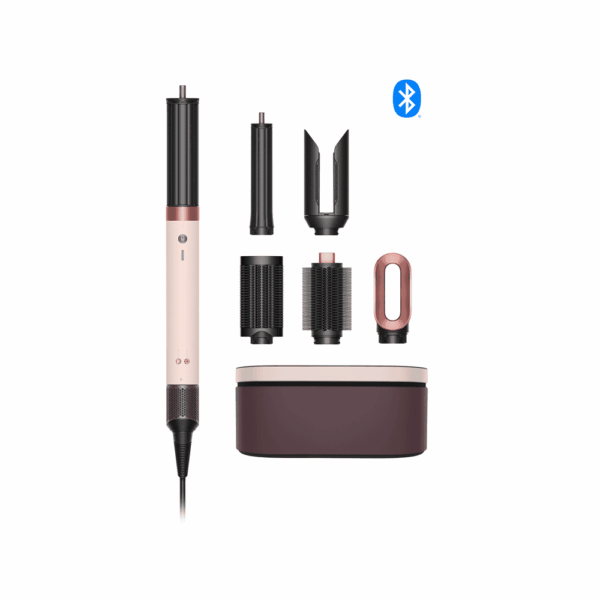

Some tools make your hair look straight. Others change how you get there. That is the real difference in Airstrait vs flat iron – not just the final look, but the heat method, the styling rhythm, and how your hair feels after a week of use.
If you are shopping at the premium end of hair care, this choice matters. A straightener is not just another tool in the drawer. It is the device you reach for before work, before dinner, before a trip, and on the mornings when five extra minutes count. The right one should fit your hair type, your finish preference, and your patience level.
Airstrait vs flat iron: the core difference
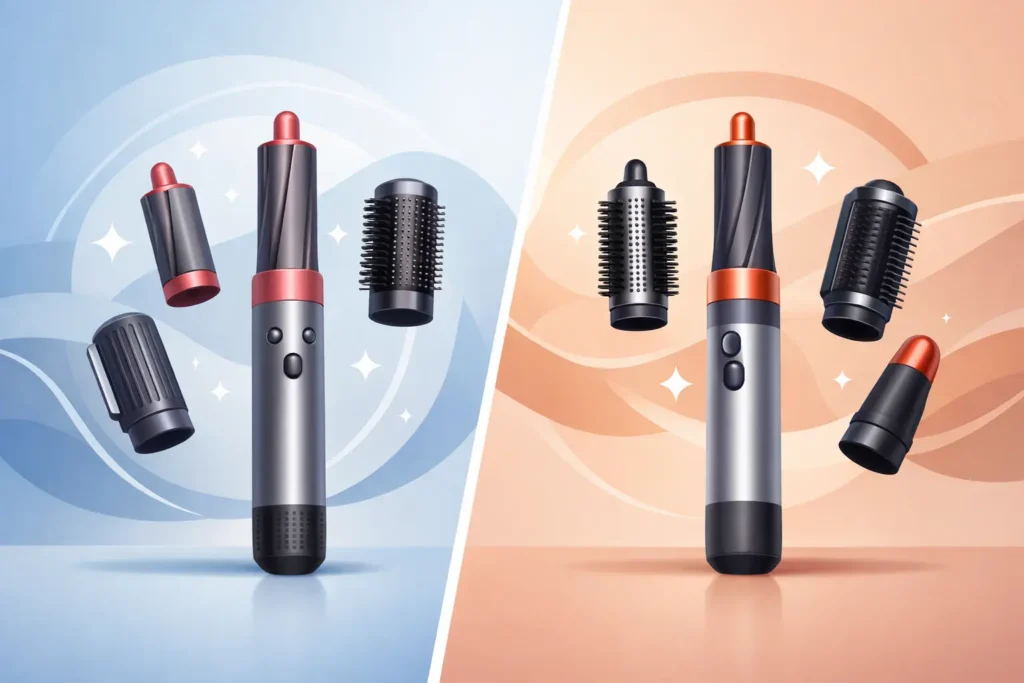
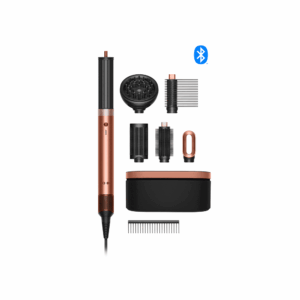
Airstrait and flat irons both straighten hair, but they do it in completely different ways. An Airstrait uses directed airflow and controlled heat to dry and straighten at the same time. A flat iron uses heated plates to press the hair smooth after it is already dry.
That difference sounds simple, but it changes everything. With an Airstrait, you are skipping the traditional blow-dry plus straightener sequence. With a flat iron, you are relying on direct contact heat to create a sleeker, more polished result.
So the better tool depends on what you value most. If your priority is streamlining your routine and reducing repeated heat exposure from using multiple devices, the Airstrait has a strong case. If your priority is a glassy, ultra-smooth finish with maximum control, a flat iron still sets the standard.
How the finish actually looks
This is where expectations need to be realistic. The two tools do not leave the same finish on the hair.
An Airstrait usually creates a softer straight style. Hair tends to keep more movement, more body, and a more natural finish. On many hair types, that means it looks smooth and refined rather than pin-straight. For people who want that clean blowout look without extra puffiness, that can be ideal.
A flat iron gives a sharper result. It presses down the cuticle and creates a more uniform, sleek surface. If you love a polished style with crisp ends and a high-shine finish, a flat iron is usually better at delivering it.
Neither result is automatically better. It depends on the look you are after. If you want straight hair that still feels airy and touchable, Airstrait makes sense. If you want a more dramatic smoothness, especially for evening styling or humidity-prone days, a flat iron often wins.
What this means for heat exposure
One reason shoppers compare Airstrait vs flat iron so closely is concern about damage. That is fair, but the answer is not as simple as saying one tool is safe and the other is not.
An Airstrait avoids hot plates, which means it is not clamping hair between two heated surfaces. That can feel gentler, especially for users trying to limit intense contact heat. It also combines drying and straightening, so you may be reducing the number of styling steps in your routine.
A flat iron, on the other hand, uses direct plate heat, and that can be harder on the hair if the temperature is too high or if you make repeated passes. But technique matters. A high-quality flat iron used on fully dry hair with proper heat settings can still be a smart choice.
The trade-off is this: Airstrait may be appealing if your hair feels fragile, overprocessed, or tired from frequent styling. A flat iron may still be the better performer if your hair is resistant, very textured, or difficult to smooth with airflow alone.
Speed and convenience in real life
Luxury hair tools earn their place by making the routine easier. On that front, the Airstrait has a very practical advantage.
Because it dries and straightens in one process, it can save time, especially if your usual routine involves a blow dryer followed by a flat iron. That makes it particularly appealing for busy mornings or anyone who wants a more efficient styling flow without sacrificing a premium finish.
A flat iron is faster only if your hair is already dry and reasonably smooth. In that case, it can refine the hair quickly and give you a sleek result in a short window. But if you start with damp hair, a flat iron is not the first step. You still need to dry your hair first.
For frequent stylers, that distinction matters. One tool shortens the process. The other perfects it.
Which tool works best for your hair type?
Hair type changes the answer more than marketing does.
If you have fine to medium hair, straight to wavy textures, or hair that smooths fairly easily, an Airstrait can be an excellent match. It often gives enough straightening power while preserving softness and movement. It also tends to appeal to shoppers who do not want their hair flattened.
If you have thick, coarse, curly, or highly textured hair, the answer is more personal. Some users will love the Airstrait for stretching and smoothing the hair with less reliance on direct plate heat. Others will still prefer a flat iron for a more defined and longer-lasting sleek finish.
If your hair frizzes the moment humidity rises, a flat iron may offer more control. If your hair is color-treated, delicate, or prone to dryness, the Airstrait may feel like a better long-term fit.
This is one of those categories where it depends is the honest answer. The best tool is the one that suits your actual hair behavior, not just your ideal result.
Styling flexibility matters too
A flat iron is not only for straightening. It can also bend, wave, and add shape if you know how to use it. That makes it a more versatile styling tool for people who like to switch between sleek hair, soft flips, and loose waves.
An Airstrait is more specialized. It is built around smoothing and straightening with airflow. It can create a polished result, but it is not the same kind of multi-look tool. If your goal is mainly straight hair with a soft finish, that is not a drawback. If you want one device to create several styles, a flat iron has the edge.
This is where buying premium matters. At a higher price point, shoppers expect more than basic performance. They expect a tool to earn its space and justify its cost through results and ease of use.
The learning curve
An Airstrait can feel different at first, especially if you have years of muscle memory with a flat iron. The process is more like controlled drying than traditional pressing. Some users love that immediately. Others need a few sessions to get the tension and sectioning right.
A flat iron is more familiar to most people. It is straightforward, and the result is predictable if you already know your preferred temperature and pass count.
That said, familiar does not always mean better. If your current routine feels long, repetitive, or harsher than you would like, a new method may be worth the adjustment.
Price, value, and what you are really paying for
At the premium end, the decision is not just about upfront price. It is about value over time.
An Airstrait can justify a higher investment if it replaces multiple steps and reduces the need for both a dryer and a straightener in your regular routine. For shoppers who care about design, engineering, and elevated daily use, that convenience has real value.
A flat iron can still be the better buy if what you want is one thing done exceptionally well. If your standard is ultra-sleek hair and you already have a dryer you like, a premium flat iron may be the smarter purchase.
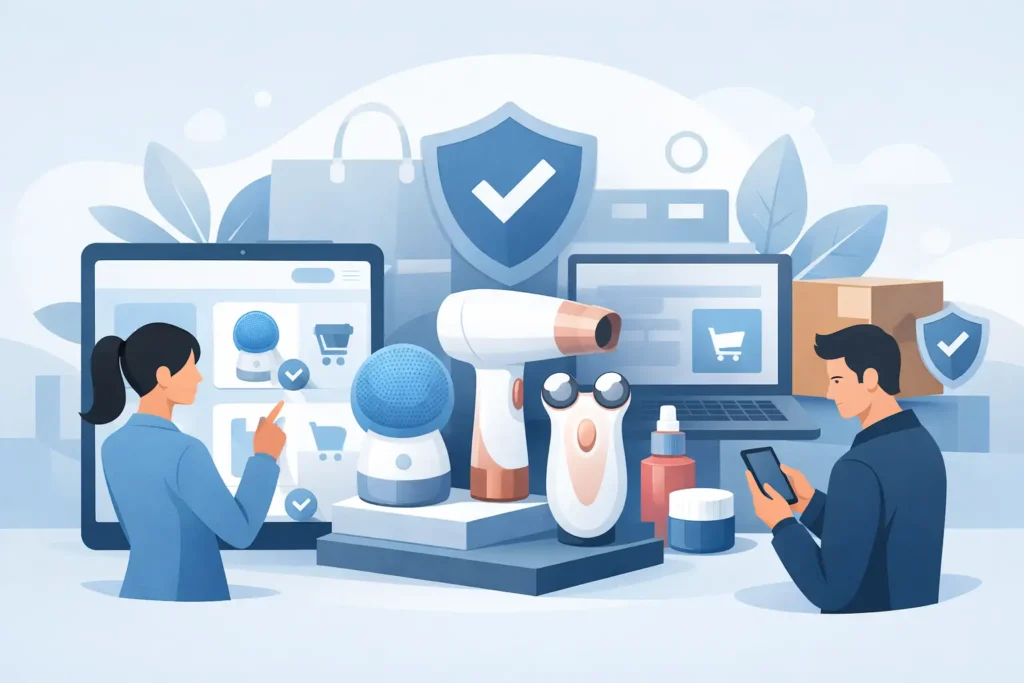
For many beauty shoppers, this is where trusted retail experience matters too. Buying a high-end tool should come with confidence around authenticity, secure checkout, shipping, and returns, not uncertainty.
So, should you choose Airstrait or a flat iron?
Choose the Airstrait if you want a faster routine, a softer straight finish, and a tool that feels more aligned with everyday smoothing than high-heat pressing. It is especially appealing if your hair is fine, medium, color-treated, or easily weighed down.
Choose a flat iron if you want maximum sleekness, stronger styling precision, and more flexibility for shaping the hair beyond simple straightening. It is often the better fit for users who want that polished, refined finish that lasts.
For some shoppers, the answer is not either-or. It is everyday ease versus special-occasion precision. If your budget allows only one premium tool, start by deciding whether your real priority is fewer steps or a sleeker result.
The best hair tool is not the one with the loudest buzz. It is the one that makes your routine feel easier, your finish look expensive, and your hair feel worth the investment every single time you style it.