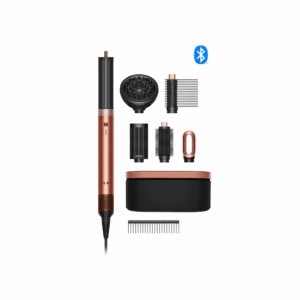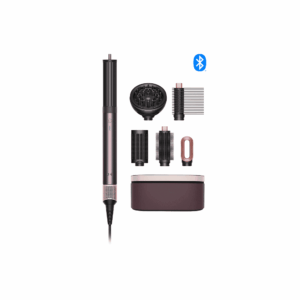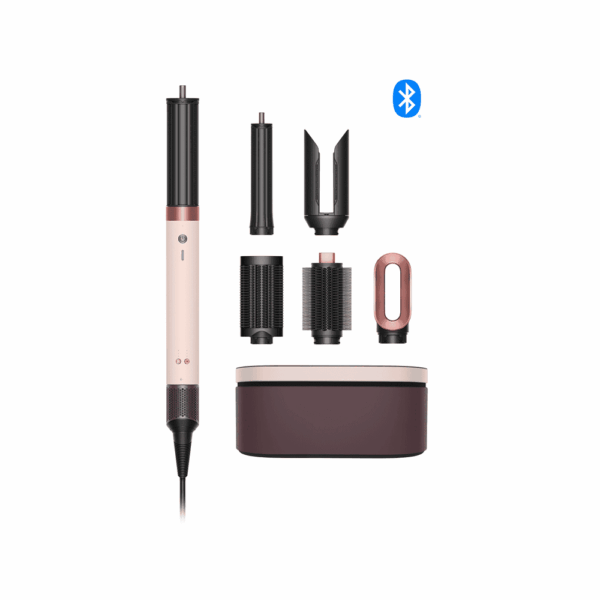

That first pass with an Airstrait can feel almost too easy – wet hair in, sleek hair out. But premium styling tools still reward good technique. If you are wondering how to use Airstrait safely, the answer is less about fear and more about control: the right prep, the right settings, and the discipline to let the tool do the work.
The Airstrait is designed to dry and straighten at the same time, using directed airflow rather than hot plates pressed directly onto dry hair. That changes the styling experience, but it does not remove the need for heat awareness. Hair can still become stressed if it is overworked, rushed, or styled on settings that do not match its condition.
How to use Airstrait safely from the start
Safe styling starts before you switch it on. Hair should be freshly washed, gently towel-dried, and free from dripping water. Very wet hair takes longer to style, which can tempt you into repeated passes. On the other hand, hair that is already half-dried and frizzing out may need extra tension to smooth properly. The sweet spot is damp hair that feels evenly moist, not soaked.
Detangling matters more than many people expect. Use a wide-tooth comb or a gentle brush to remove knots before sectioning. If you run the tool through tangled hair, you create uneven tension and increase the chance of snagging. That does not just affect the finish – it can also lead to unnecessary breakage, especially around fragile areas like the crown, nape, and face-framing layers.
Your products matter too. Keep them light. A heavy oil or thick cream on damp hair can interfere with airflow and leave sections feeling coated instead of clean and smooth. If you use a heat protectant, choose one intended for blow-drying or hot-air styling and distribute it evenly through the mid-lengths and ends.
Choose settings that match your hair
One of the easiest ways to use Airstrait safely is to stop treating every hair type the same. Fine, color-treated, bleached, and fragile hair usually needs a lower heat approach. Thick, coarse, or very textured hair may need a higher setting to achieve a polished result efficiently. Higher is not always better. If a lower setting gets the job done in a reasonable number of passes, that is usually the smarter choice.
This is where patience pays off. Start conservative, then adjust only if needed. Many people damage hair not because one setting is inherently too strong, but because they combine high heat with poor sectioning and too many repeated passes. That stack of small mistakes is what creates dryness over time.
Airflow is part of the equation as well. Strong airflow can speed up the process, but it may feel intense on finer hair or around shorter layers. If your hair is moving too much to stay controlled, section smaller and work more slowly rather than forcing the tool through.
Fine or damaged hair needs a lighter hand
If your hair is highlighted, chemically treated, or prone to split ends, think of smoothing as refinement, not force. Smaller sections and fewer passes on a moderate setting usually deliver a better finish than trying to flatten everything quickly. You may not get a pin-straight look in one go, and that is fine. Healthy-looking movement often reads more luxurious than over-pressed ends.
Thick or textured hair needs strategy
For denser hair, safety comes from efficiency. Divide hair into manageable sections and clip the rest away. If sections are too large, the interior stays damp while the outer layer gets overworked. That is when people keep going back over the same area and create unnecessary heat exposure.
Sectioning is the difference between smooth and stressed hair
If there is one habit that changes the outcome most, it is clean sectioning. Work in small, even sections that allow airflow to move through the hair from root to end. This helps the tool dry and straighten consistently, which reduces the need for touch-ups later.
Start at the bottom layers and work upward. Keep each section taut, but do not yank. Let the tool glide slowly enough to dry the hair in a controlled pass. If the section is still damp after one pass, do another measured pass rather than speeding up and hoping for the best.
The area nearest the roots deserves extra care. Pressing too close to the scalp or lingering in one place can feel uncomfortable and may stress new growth. Keep the motion steady and maintain awareness of where the airflow is directed.
What not to do when using Airstrait
A premium tool can still be misused. The most common mistake is rushing. Fast, repeated passes create more cumulative stress than one slow, deliberate pass. Another issue is styling dirty hair loaded with dry shampoo, oils, or product buildup. That can leave the finish uneven and may affect how smoothly the tool moves through the hair.
Using the Airstrait on hair that is excessively damaged also calls for honesty. If your ends are snapping, mushy when wet, or extremely porous, no technique will fully protect compromised strands from further wear. In that case, the safer choice may be to lower your styling frequency, trim damaged ends, and focus on recovery before chasing a sleek finish every day.
Avoid wrapping sections around the tool or twisting your wrist sharply to mimic a traditional flat iron motion. The Airstrait is built for guided airflow and tension, not plate-based pressing. Use the tool the way it was designed and you will usually get better results with less effort.
How to use Airstrait safely on different styling days
Not every session starts with the same hair condition. Wash day styling is one thing. Second-day touch-ups are another. The safest approach changes depending on what your hair needs.
On fresh wash days, focus on proper dampness, sectioning, and a full dry-straighten routine. On non-wash days, be cautious about reworking the entire head if only a few pieces need attention. It is often better to spot-style the top layer, front sections, or ends rather than applying heat across all your hair again.
Humidity matters too. In muggy weather, hair may puff up again even after a careful styling session. The answer is not endless heat. Usually, a lightweight finishing product and restrained touch-ups work better than restyling everything. More heat does not always mean longer-lasting smoothness.
Watch for signs your hair needs a break
Safe styling is also about noticing early warnings. If your hair starts feeling rough, tangling more easily, losing shine, or becoming harder to smooth with the same settings, take that seriously. Those signs can point to dryness or accumulating stress.
A simple reset can help: reduce heat for a week, use nourishing masks, air-dry more often, and avoid unnecessary second passes. Luxury hair care is not just about the tool itself. It is about knowing when to pause.
Maintenance helps keep Airstrait safe to use
A clean tool performs better. Wipe down the exterior regularly and check for dust or buildup around any filters or air inlets according to the manufacturer instructions. Restricted airflow can affect performance and may lead to inefficient styling, which again pushes people toward more passes and more heat exposure.
Store the device only when it is cool and keep the cord untwisted. If you notice unusual noise, overheating, or inconsistent airflow, stop using it until the issue is checked. Premium technology should feel precise and dependable. If it does not, that is a signal worth respecting.
This is also where buying from a trusted retailer matters. Authentic tools, clear product support, and a reliable return process create a better ownership experience from the beginning. For shoppers investing in premium beauty technology, that peace of mind is part of the value.
The safest technique usually looks the least aggressive
There is a temptation to style for the finish alone – flatter, sleeker, straighter. But the healthiest long-term results come from a more controlled mindset. Smooth sections. Appropriate heat. Fewer passes. A finish that looks polished without forcing every strand into submission.
If you are learning how to use Airstrait safely, the best habit is simple: slow down enough to need less correction later. Hair responds well to consistency, and the most elevated result is not just glossy on day one. It is hair that still feels strong, soft, and worth styling again tomorrow.